
5083 vs 6082 Aluminium: Which Alloy Is Better for Fabrication?
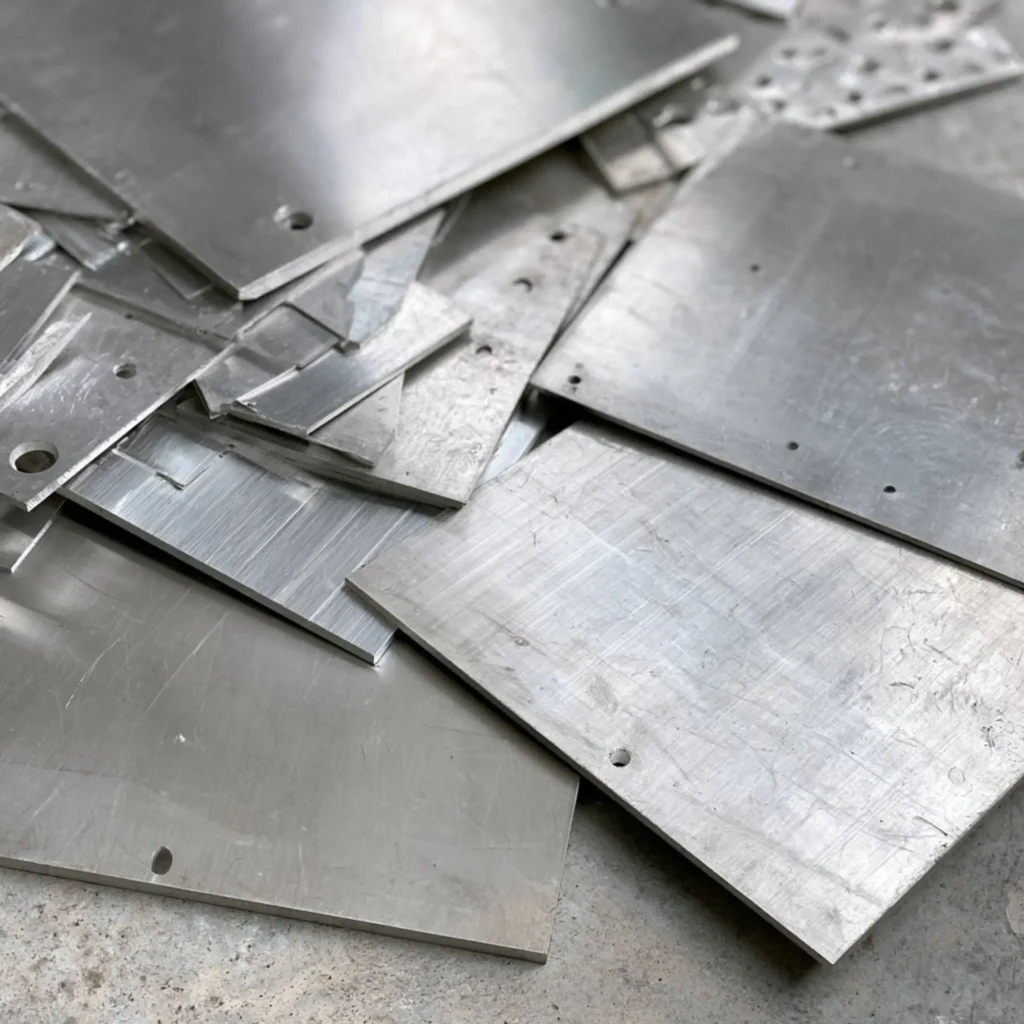
Choosing between 5083 and 6082 aluminium depends on the finished component, not on which alloy is universally “better”. For most fabrication projects, engineers choose 5083 for extensive welding and marine or corrosive environments, while they often select 6082-T6 for higher proof strength, CNC machining and structural or extruded components. Engineers and buyers should also consider […]
Copper vs Brass vs Bronze: Which Material Should You Choose for Your Component?
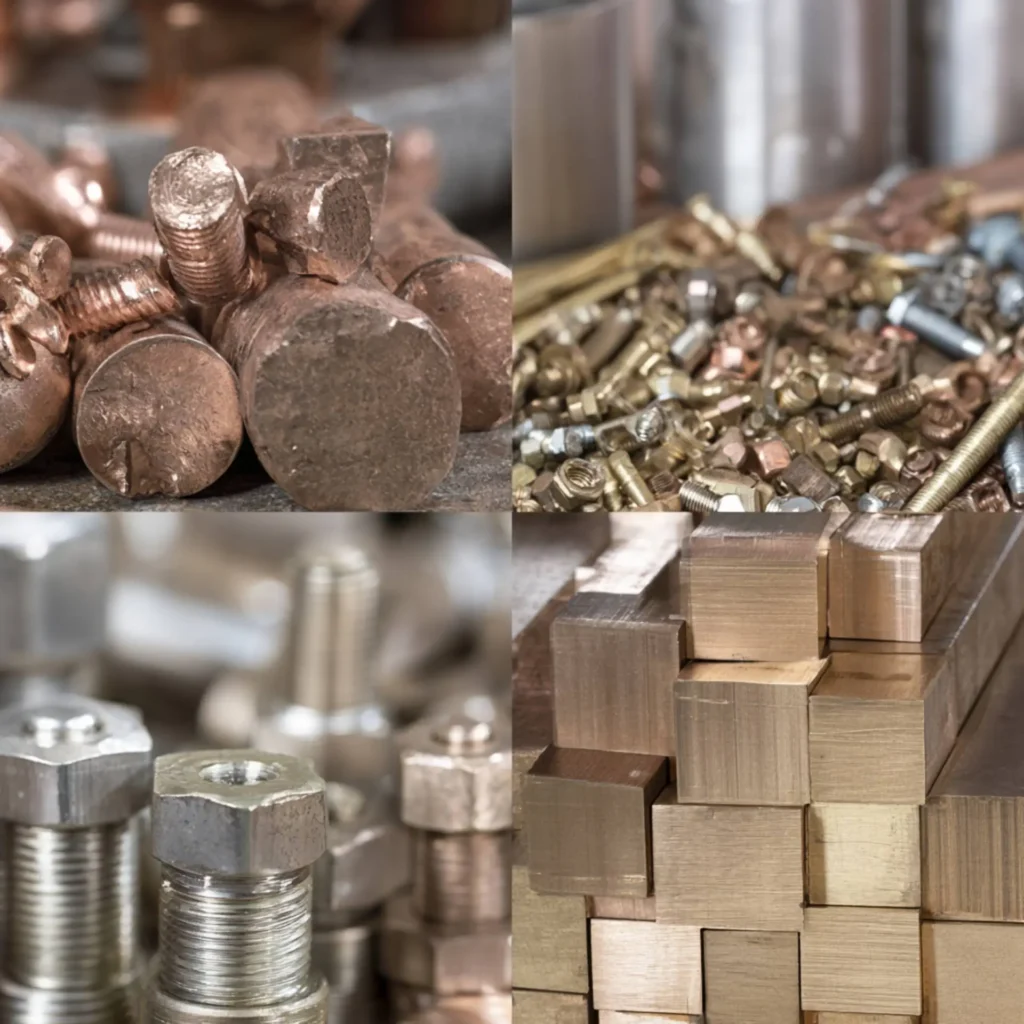
Choosing between copper, brass, and bronze depends on what the component needs to do. Copper is generally the first choice where electrical or thermal conductivity is critical. Brass is often selected for machinability and a balanced combination of strength and corrosion resistance, while bronze is commonly considered where wear, friction or demanding operating conditions matter. […]
Effective Ways to Improve Heat Dissipation with Aluminium Busbars
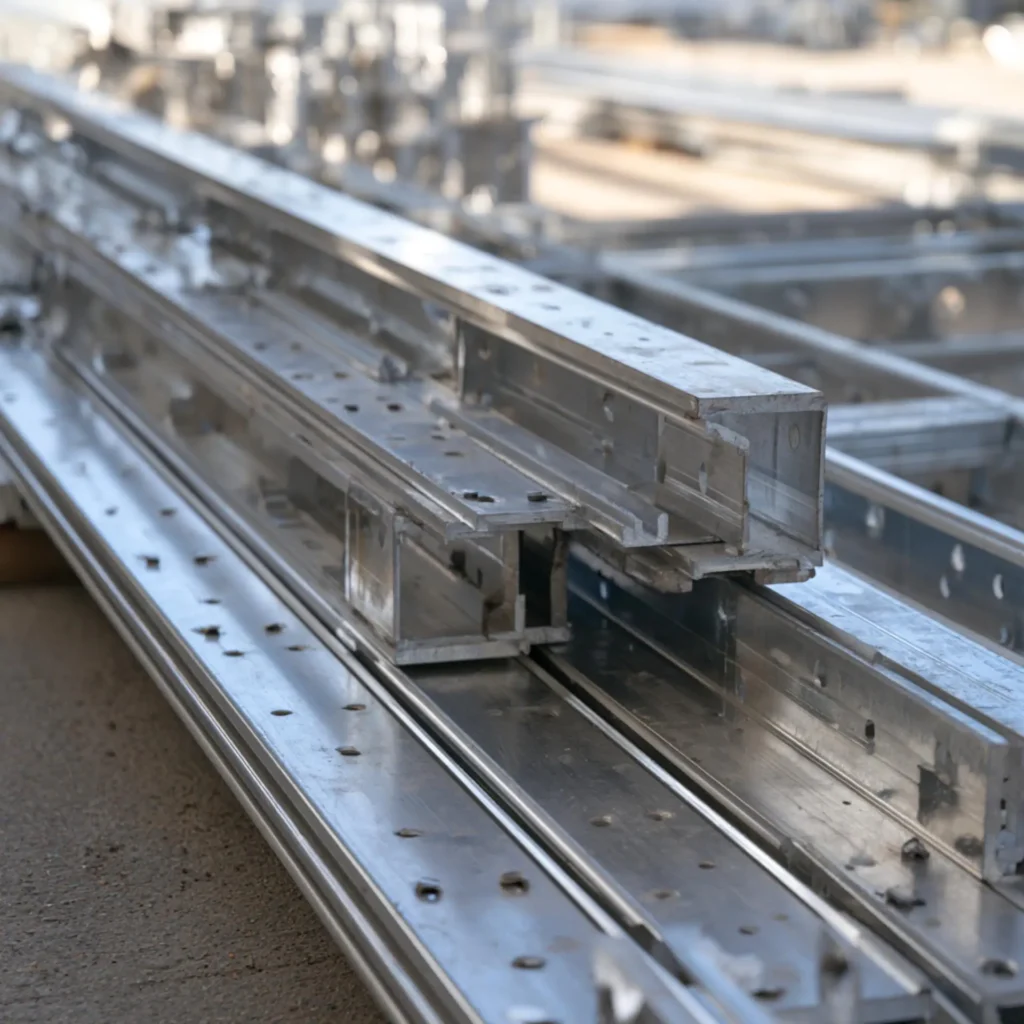
Heat is an unavoidable consideration in any electrical power distribution system. Wherever current meets electrical resistance, some energy is converted into heat. The aim is not to eliminate heat completely. It is to control heat generation, allow it to leave the assembly effectively and prevent excessive temperatures from affecting the performance of the busbar, its […]
How Aluminium Busbars Are Powering the Future of Data Centres
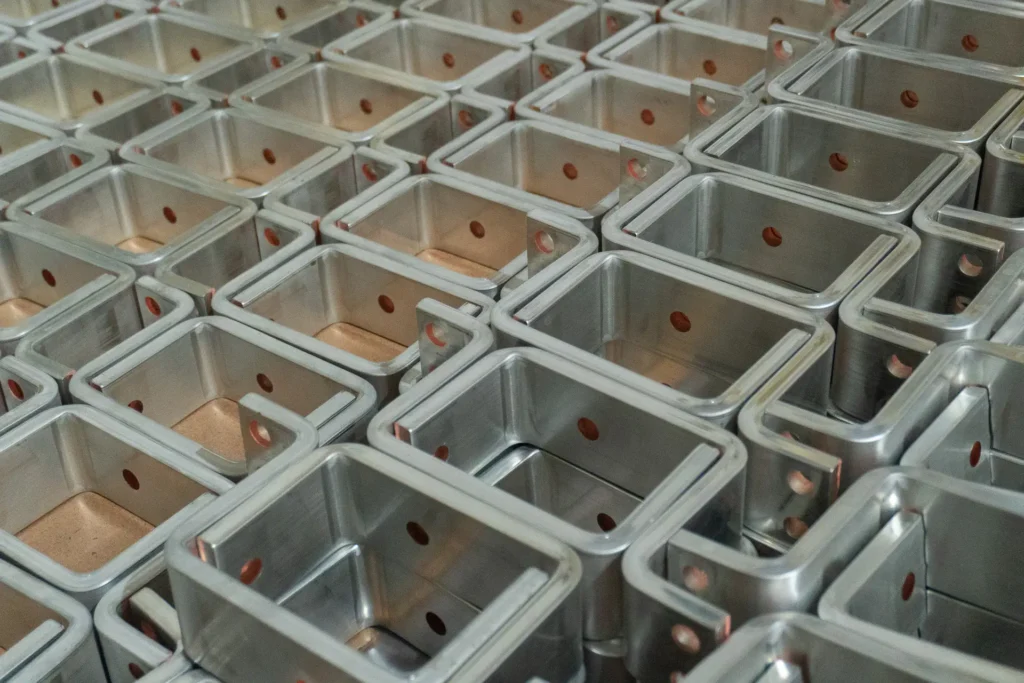
Data centres depend on stable, efficient and carefully planned electrical infrastructure. As demand grows for cloud computing, AI workloads, streaming, data storage and digital services, engineers need power distribution systems that can handle higher loads while remaining practical to install, maintain and expand. This is where Aluminium Busbars are becoming increasingly relevant. Used correctly, they […]
What Are Aluminium Busbars and Where Are They Used?
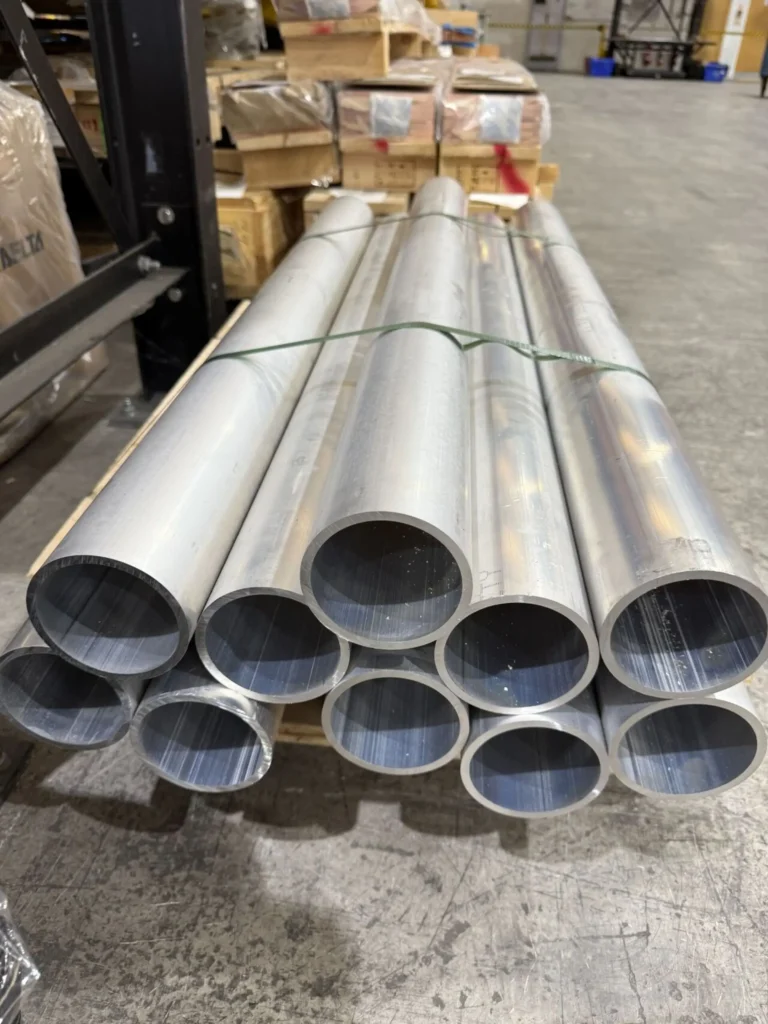
Aluminium busbars are widely used to carry and distribute electrical power inside panels, enclosures, switchgear, battery systems, machinery, and larger power distribution assemblies. Instead of relying on multiple individual cables, a busbar provides a solid, shaped conductor that allows current to move through an electrical system in a controlled, organised, and space-efficient way. For engineers, […]
What Is CNC Machining? A Guide to Precision Metal Components
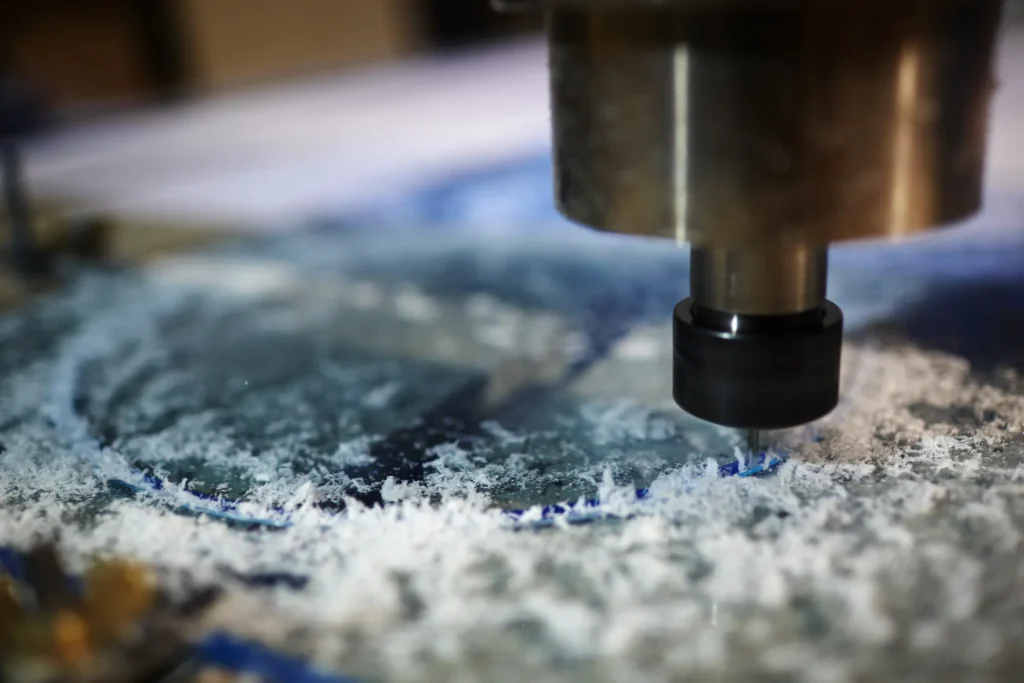
CNC machining is one of the most reliable ways to produce accurate metal components for engineering, electrical, industrial and manufacturing applications. Whether the requirement is a one-off prototype, a batch of machined parts, or repeat production from a technical drawing, CNC machining gives engineers and buyers a controlled route from material to finished component. From […]
Nickel Plating for Busbars and Connectors: Where It Makes Sense
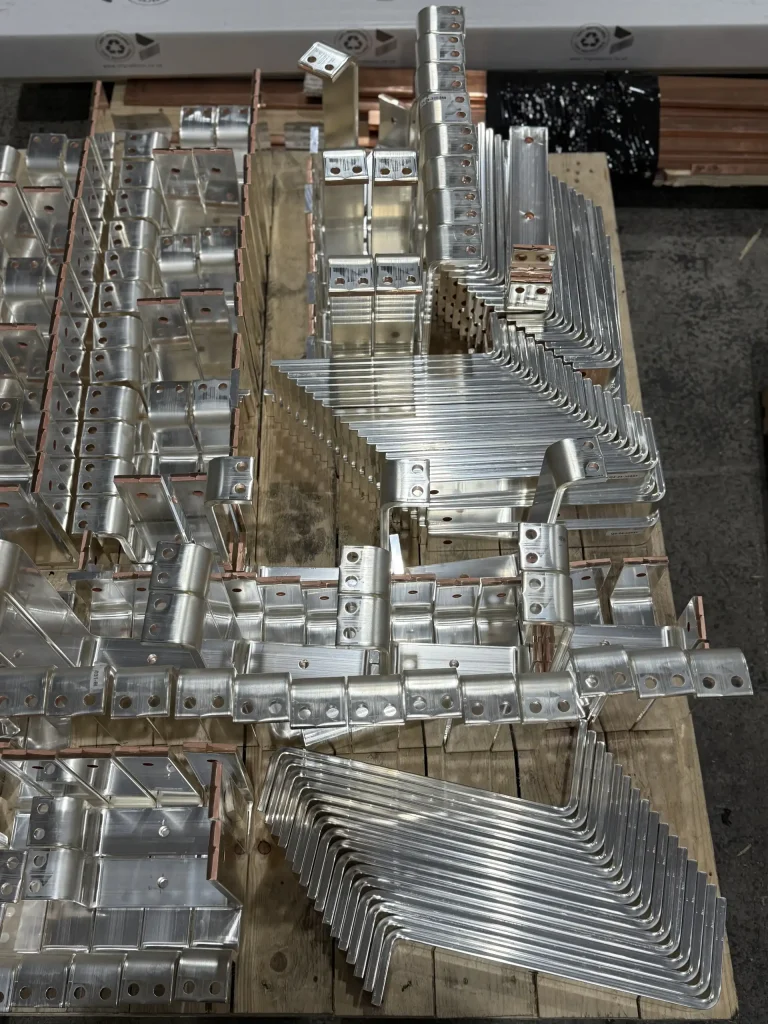
Nickel plating can be a sensible upgrade for busbars and connectors, but it is not a universal win. In the real world, it usually comes down to the environment the parts will live in, how often joints are opened and re-tightened, and how stable you need the electrical contact to remain over time. At ILF, […]
Busbar Hot Spots: The 7 Most Common Causes and How to Fix Them
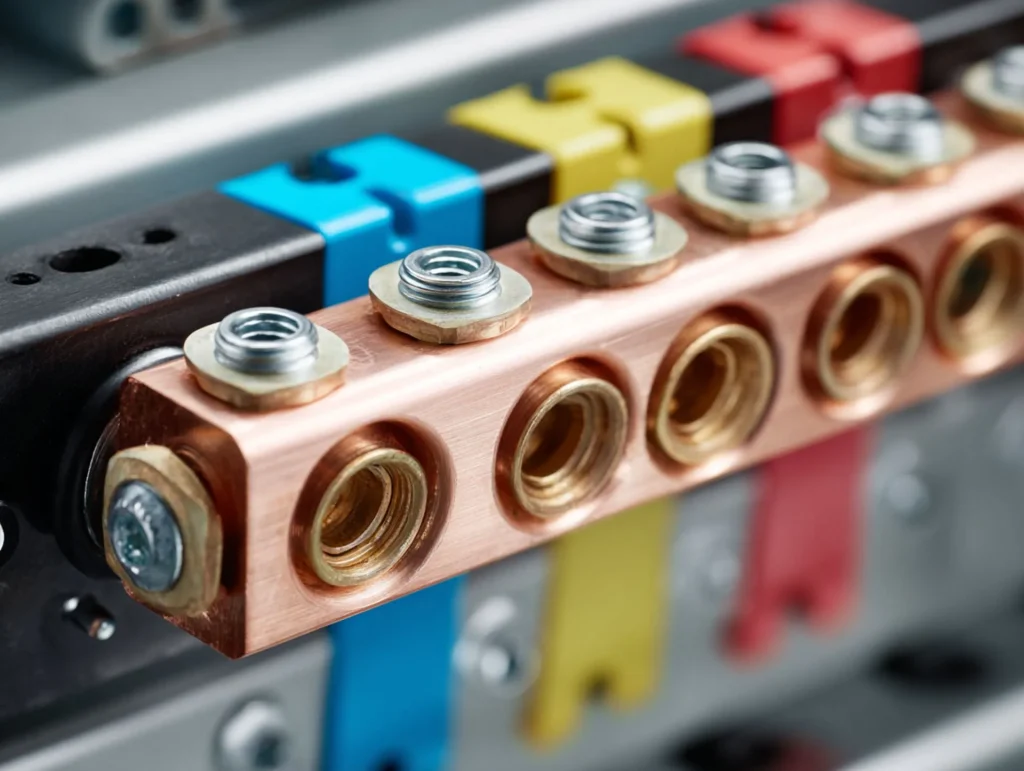
A hot spots on a busbar can look like a small issue, but it often points to a bigger problem: unwanted resistance where current should flow freely. The good news is that most hot spots have familiar, fixable causes. With a calm, methodical approach, electrical teams can identify the root issue, make a safe repair, […]
How to Choose the Right Brass Grade for Your Project
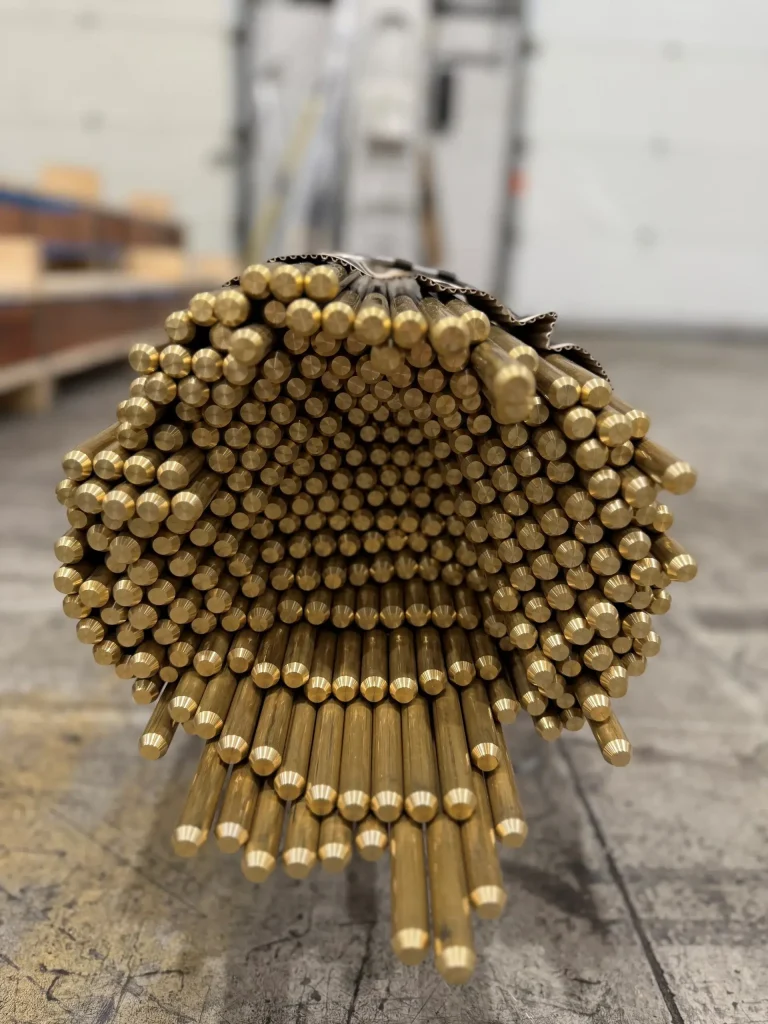
Brass can look simple on a quote, but the grade you choose affects corrosion resistance, machinability, finish quality, and how reliably your parts fit together. Whether you are buying brass sheet metal for a formed cover, brass rod for turned components, or brass fittings for assemblies, a small change in grade can make a big […]
6082 vs 6061 Aluminium: Which Alloy Suits UK Builds?
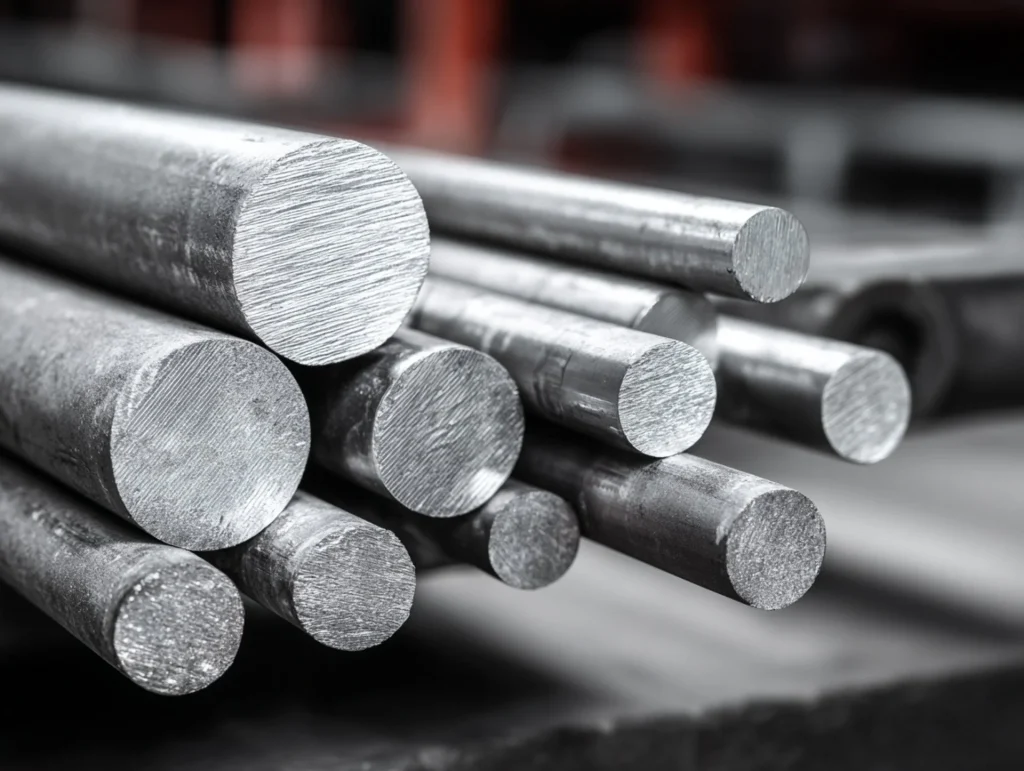
Choosing the right aluminium alloy can influence everything from machining performance to long-term reliability in finished parts. For British manufacturers and engineers, 6082 and 6061 aluminium alloys are two of the most widely used grades for components, structures, and fabricated assemblies. Both deliver a strong balance of strength, corrosion resistance, and machinability, but they aren’t […]